Covering Columbine
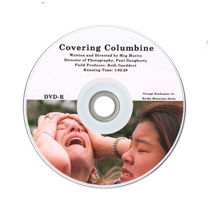
This documentary, available online and on DVD, examines the impact of the news coverage of the Columbine High School shootings.
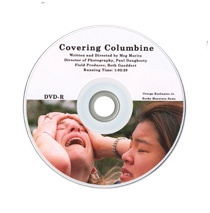
"Covering Columbine," a 57-minute documentary on the traumatic impact of the Columbine High School shootings on students, families, the community and journalists, is now available online (below) as well as on DVD for classroom use by qualified journalism programs.
Written and produced by Meg Moritz of the University of Colorado at Boulder School of Journalism and Mass Communication, the documentary includes footage from original coverage of the tragedy. The focus of the documentary, however, is on how journalists, students and community members feel about how the story was reported — both at the time and up to a year later.
Community resentment over media coverage of the tragedy led University of Colorado faculty to coordinate meetings with school officials and journalists. While dissatisfaction with the media was well-known by the time a year had passed since the shootings, many in Littleton were surprised to learn that journalists, too, had suffered emotional trauma after covering the story for long periods.
Newspaper and television reporters and editors discuss such issues as using graphic images of violence in their stories, notification of family members when fatally injured children were shown, and news coverage of subsequent traumas occurring in the Columbine community.
Reporters who covered the story now say that they approach trauma survivors more sensitively and show less aggressiveness in pursuing these subjects. Some reporters began to turn down assignments that required continued contact with Columbine survivors.
Coverage of the shootings — the worst school violence in U.S. history — was intensified by the then-raging newspaper war between the Denver Post and Denver Rocky Mountain News.
Parents and journalists discuss the importance of reporting facts correctly, nearly impossible in the first hours of a mass-casualty incident of such dimensions. With the ubiquity of 24-hour cable news, the constant need to come up with fresh information can often lead to incorrect information, as national cable-news producers acknowledge in the documentary.
"Covering Columbine" includes a meeting between students, community members and media representatives as the first anniversary of the shootings approaches. While not all requests for sensitivity in the reporting could be honored, the film makes it clear that journalists, as well as the citizens of Littleton, had learned a great deal during the year that had passed.
Qualified journalism educators who require hard copies can request free DVD copies online. Otherwise, the video is available here:
Read Meg Moritz's four lessons on reporting school shootings.