Covering Children and Trauma
When children are victims of violence, journalists have a responsibility to report the truth with compassion and sensitivity.
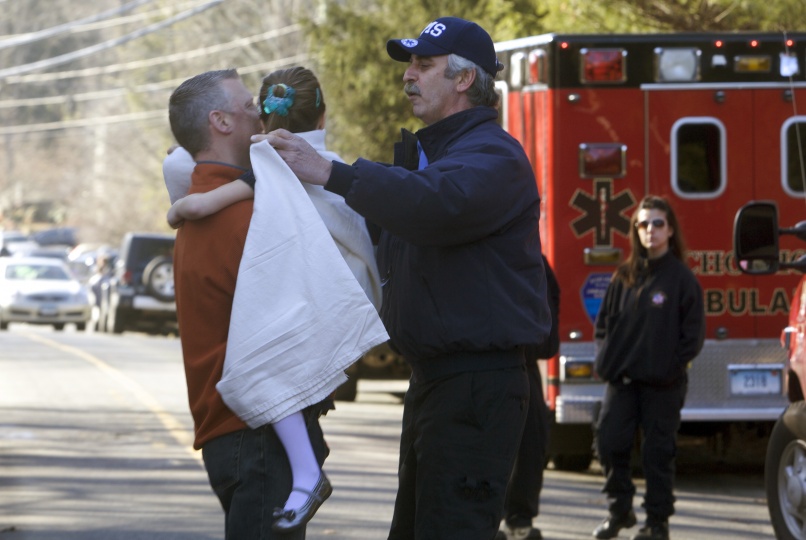
A dog attacks a preschooler on a playground, severely injuring the child. A father beats his infant son to death. A tornado tears through a community, trapping families in damaged homes. Terrorists strike on 9/11, leaving thousands of children to mourn lost parents.
When children are victims of violence, journalists have a responsibility to report the truth with compassion and sensitivity. Kids aren’t mini-adults; they deserve special consideration when they end up in the news.
Yet few journalists have experience interviewing children for routine stories, let alone when tragedy hits.
What ground rules apply? Is it OK to interview children huddled outside a school after a classmate has gunned down a teacher? At the hospital after a car accident?
Should you name child abuse victims in news coverage? Juveniles who commit crimes? How do you balance children’s right to privacy with telling compelling stories?
Exposure to violence affects children and adults differently. But kids are just as vulnerable to post-traumatic stress and other emotional consequences of violence and tragedy.
Journalists can write stories that help educate parents about how to recognize emotional trauma in their children. They can foster community healing by interviewing families putting their lives back together after a disaster. Editors can weigh the impact of graphic visual images on young readers when deciding what to publish or broadcast.
And what about journalists themselves? Even the most seasoned journalist can be deeply affected while covering a story about a battered child or shooting photos at a house fire where kids have perished. Witnessing violence exacts an emotional toll that journalists often don’t acknowledge. When the victim is a child, the fallout is usually worse.
Traditional newsroom culture has dictated that journalists stuff their feelings and move on. In the heat of the moment, a certain amount of distance is necessary to do the job. But over time, ignoring our inner turmoil can lead to emotional numbness and burn-out. Journalists, just like cops and firefighters, need to find healthy ways to cope with the heartbreak we encounter.
The last thing any journalist wants to do is add to the pain of young victims with insensitive coverage. These tips are aimed at producing more thoughtful coverage when children’s suffering becomes news.