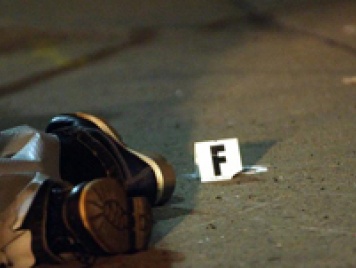
The Utöya Massacre: A Nordic Tragedy
Reporters from Finland and Sweden describe how they approached the recent massacre on the island of Utöya and the explosion in Olso that preceded it.
One incident of a journalist being attacked quickly turned to two, then three, then five.
Twitter streams built up a faster picture than London's news organizations could manage.
Apply online now for an intensive program, to be held in Baltimore Oct. 31 to Nov. 5, designed to help mid-career journalists improve coverage of traumatic events. Deadline for entries is July 27.
As Norway responds to the worst attack on its citizens since the Second World War, the Dart Centre has assembled a selection of resources for journalists covering the tragedy.
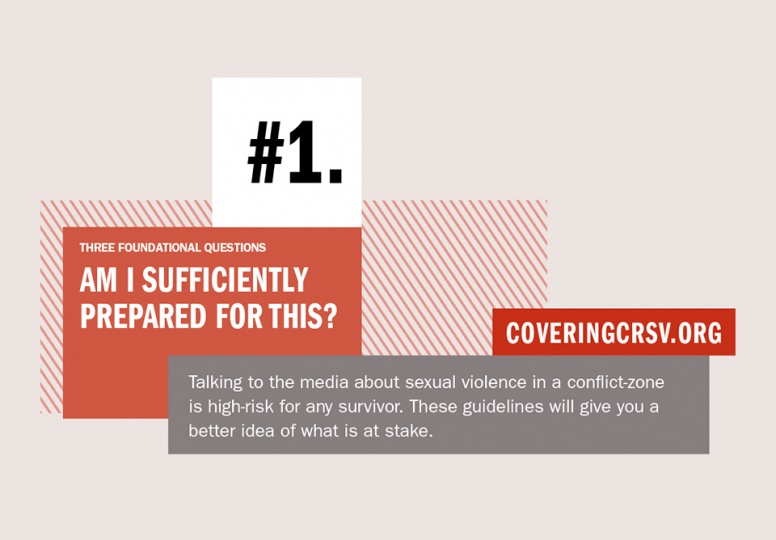
Quick tips on covering sexual violence, from preparation to writing the story.
Ten years after the death of Martin O’Hagan, the only journalist killed in Northern Ireland's three-decade civil conflict, the National Union of Journalists held a conference in Belfast on September 30 exploring the safety issues and pressures that arise when covering sectarian violence. As the NUJ's Freelance reports, the theme was trauma and the effects of trauma that go beyond the front line. More »
In a special report just published by the Committee to Protect Journalists, news professionals disclose sexual assaults they have experienced in the course of their work. Plus, CPJ's Security Guide has been updated to include new information on coping with the threat of sexual abuse. More »
As UN-backed airstrikes intensify and fighting continues between Gaddafi loyalists and rebel forces, conditions for journalists on the ground remain precarious. More »
Caught in an ambush by supporters of Muammar Gaddafi near the rebel-held city of Benghazi, an Al Jazeera cameraman has become the first journalist killed in the month-long uprising in Libya. More »
Clinical research on traumatic stress.
Physical safety resources for journalists.
Local news from societies in transition.
A Dart Centre curriculum development partner.
Analysis of the origins of conflict.
Intellectual debate from around Europe.
Resources on ethics in the media.
News from around the world.
Dart Centre Europe is a regional hub for journalists and filmmakers who believe that effective reporting on violence and trauma matters. With permanent offices in London and Cologne and volunteer networks of journalists, educators, researchers and clinicians throughout Europe and beyond, DCE works to promote discussion, develop training, and exchange specialist knowledge on the most challenging of media issues.

Dart Center HeadquartersNew York, New York
Dart Center WestSeattle, Washington
Research CenterTulsa, Oklahoma
Dart Centre EuropeLondon, UK
German ProgrammeCologne, Germany
Dart Centre Asia PacificMelbourne, Australia
Indonesian ProgrammeJakarta, Indonesia
The Dart Society is comprised of journalists who have won fellowships and awards from the Dart Center. The Dart Society is not affiliated with Columbia University.
The Dart Center is a project of the Columbia University Graduate School of Journalism.
© Trustees of Columbia University in the City of New York