PTSD 101
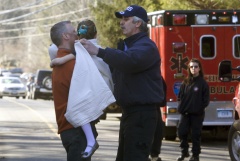
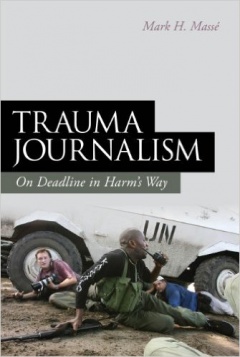
Young journalists will often encounter violence among their first reporting experiences. The effects of catastrophe and cruelty are newsworthy, particularly when victims are numerous, are famous or are symbolic of something that we all relate to and hold dear: a child killed in a schoolroom; a nurse held hostage in a hospital.
Young journalists will often encounter violence among their first reporting experiences. The effects of catastrophe and cruelty are newsworthy, particularly when victims are numerous, are famous or are symbolic of something that we all relate to and hold dear: a child killed in a schoolroom; a nurse held hostage in a hospital.
Whenever a reporter meets a survivor of traumatic events and inquires about that trauma, there is a chance that the journalist will witness - and may even precipitate - PTSD, Post-Traumatic Stress Disorder. By definition, PTSD is a triad of change for the worse, lasting at least a month, occurring anytime after a genuine trauma.
My purpose in writing this is to introduce journalism students and working journalists (including you grizzled veterans) to the definition of PTSD, its impact and significance - how to anticipate it, recognize it, and report it, earning the respect of your readers and your interviewees. I do this as a victim advocate and a journalism advocate, to advance the agenda of both groups. The recognition of PTSD and related conditions enhances not only a reporter's professionalism, but also the degree of humanitarianism brought to every victim interview.