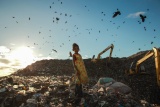
Self-Care
While emergency workers have, particularly in the last decade, recognized the need for self-care and organizational safe-guards, journalists may not yet have been recognized as potential candidates for employee safeguards and increased support. Journalists need to remember is that there may be a number of potential stress reactions they may have when they write about particularly stressful topics, and know the strategies and resources they can use to stay resilient.
Dart Resources
Covering Trauma: Impact on Journalists
An overview of current research on the occupational hazards for journalists covering traumatic events, the risk factors that aggravate those effects and some suggestions for mitigating those factors.
Repercussions of a Tragedy

Almost a year after 32 media workers were massacred along with scores of others in Mindanao, Filipino journalists face the consequences of doing dangerous work in an environment of chronic stress. A recent training conducted by Dart Centre Australasia focused on peer support.
Peer Support for Journalists

A video by the Australian Broadcasting Corporation and Dart Centre Australasia on how peer support programs help journalists deal with trauma.
Choosing a Psychotherapist
A guide for journalists seeking therapy for personal or work-related issues.
Haiti Quake: Watchful Waiting

As the first wave of exhausted news teams rotates out, the story enters a new phase — and news managers need to be prepared to provide informed support.
Outside Resources
-
Dealing With Disaster
Editor and Publisher
Joe Strupp and Doug Cosper discuss the problems faced by journalists in extreme situations, with emphasis on the challenges faced at the World Trade Center after 9/11.
All Tips & Tools
Publications for Topic
-

Reporting War
Recommendations for meeting the emotional challenges of covering war, from a group of seasoned veterans.
-

Covering Columbine
This documentary, available online and on DVD, examines the impact of the news coverage of the Columbine High School shootings.